Sep 16, 2026Buying Guides
Microfiber vs Cotton Drying Towels: What Wholesale Buyers Should Compare
Cotton terry and microfiber dry cars in different ways. A structure-first comparison for buyers: pile types, GSM, sizes and what to line up before ordering.
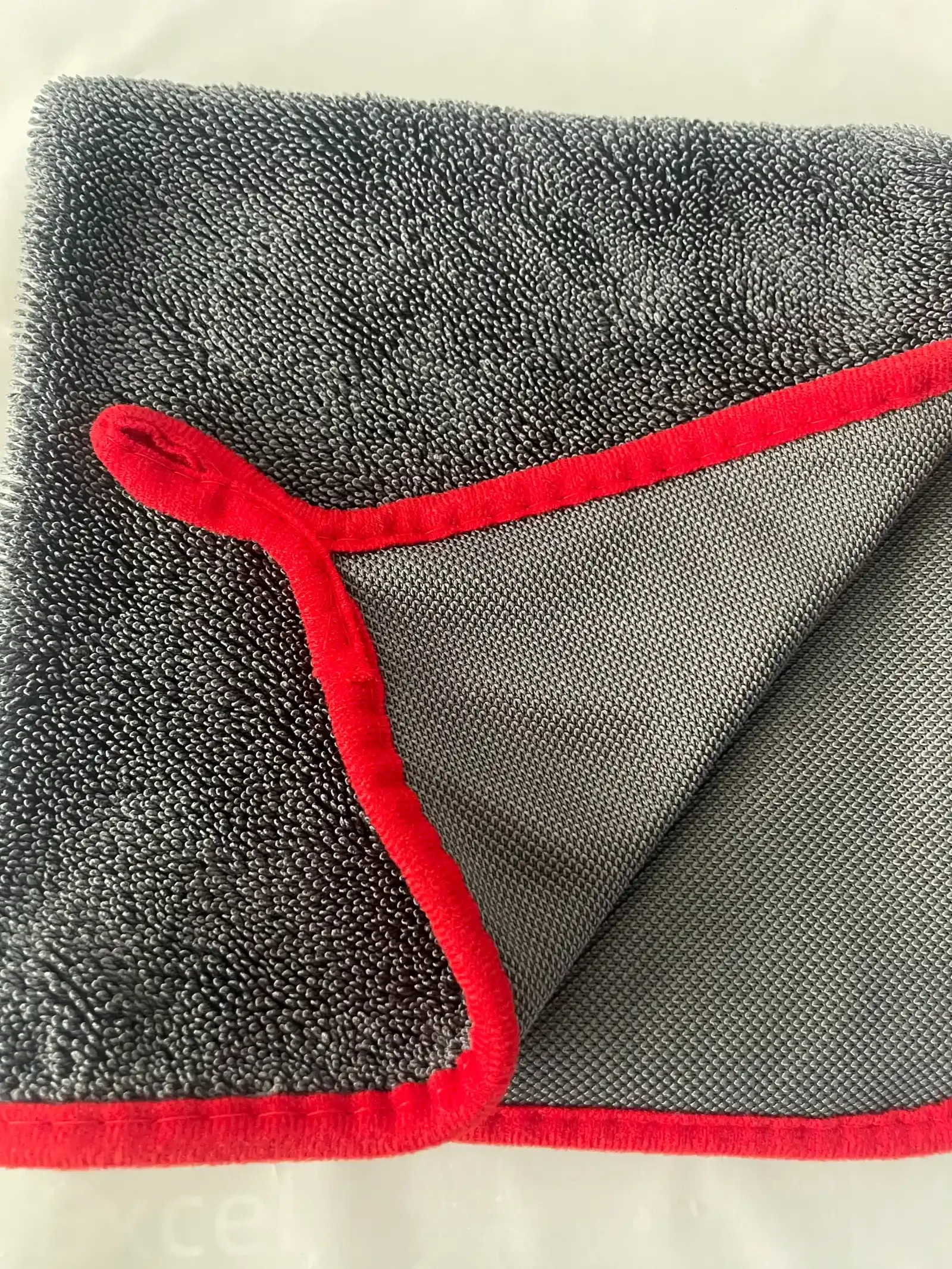
Many buyers still stock cotton terry drying towels by habit. When the question comes to us from distributors, it is usually the same one: what does microfiber actually change for a car wash towel, and what should be compared before switching?
Two Different Constructions
Cotton terry is built from looped staple yarn spun from short fibers. Microfiber is a fine synthetic filament, in our case an 80/20 blend, knitted into pile surfaces. Because the yarn itself is engineered, the pile can be shaped for a job - and that is the core of the difference: twisted loop for drying towels, coral fleece for softer naps, waffle weaves for glass.
Why Pile Type Matters for Drying
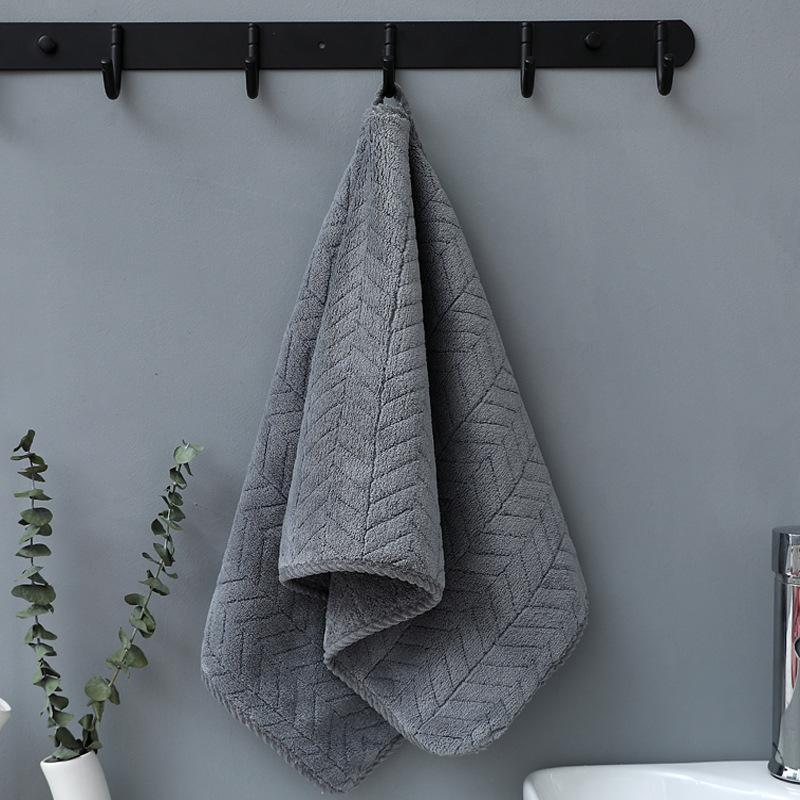
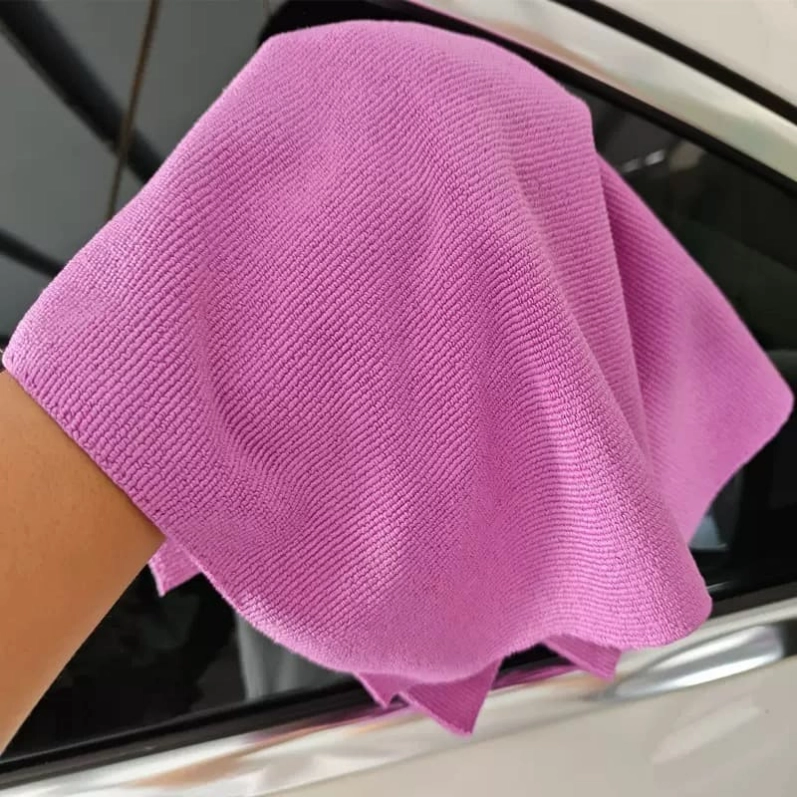
Pile geometry decides how a towel meets a wet panel. A twist loop face stands the fiber up in open loops, which is why our heaviest drying constructions, the 600 to 850 GSM single side towels and the 1250 GSM double layer towel, all use it. Waffle weaves cut contact area into a grid and are listed in our line as glass towels at 350 GSM. Coral fleece offers a softer nap at 500 and 600 GSM.
A towel that works on paint can still frustrate you on glass - pile type, not brand, is usually the difference buyers are feeling.
What to Compare Before You Switch
So before you switch, line up the same three numbers on both sides: fabric weight in GSM, size, and piece weight. Our single side twist loop towel shows why the trio matters - 40x40cm at 600 GSM is about 100 g, 40x60cm at 750 GSM about 150 g, and 60x160cm at 850 GSM about 580 g. A towel quoted only by size leaves two of those three numbers unstated - ask for them on both sides of the comparison.
Wholesale Notes
If you are building a microfiber program, the practical path is simple - pick one construction per job: a waffle or warp knitting towel for glass, a coral fleece towel for interior and general use, and a twist loop towel for drying. Tell us the jobs you need covered and the quantities per item, and we will map them to the catalog and confirm the quote.